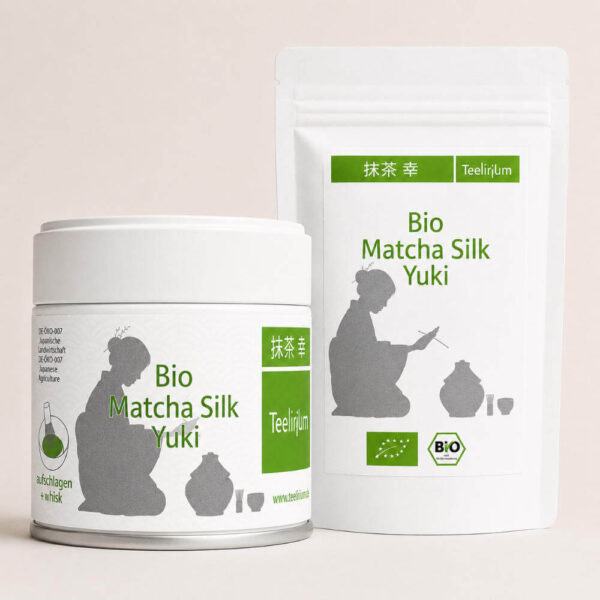
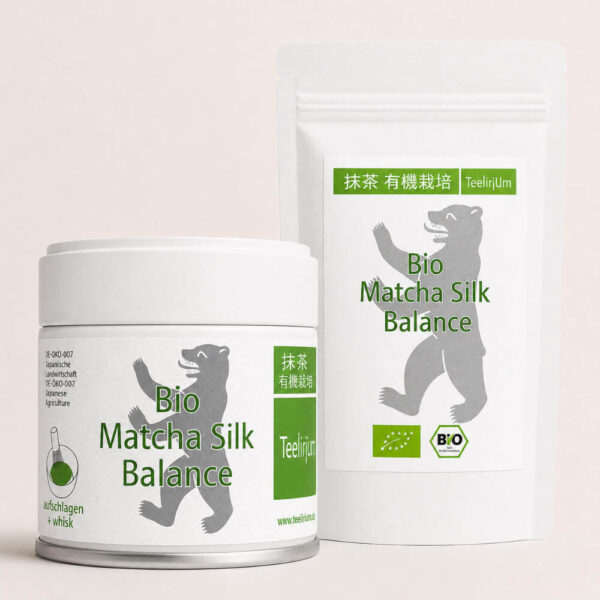
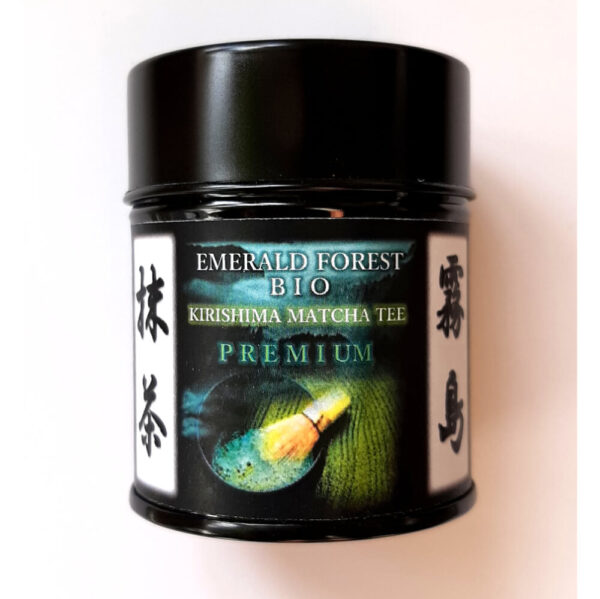
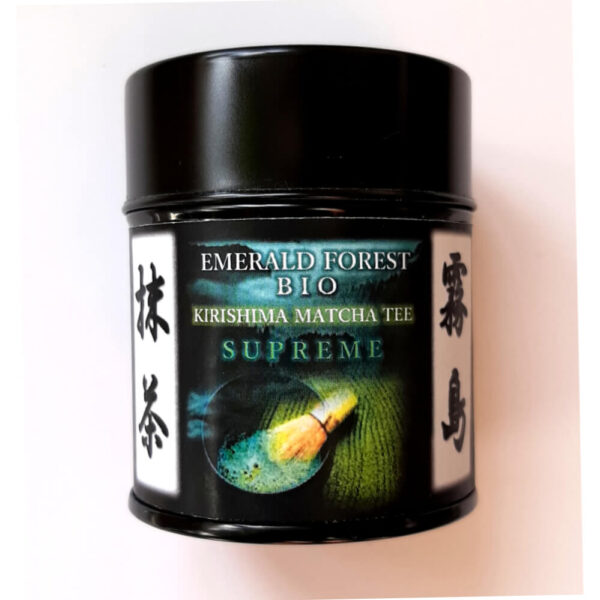
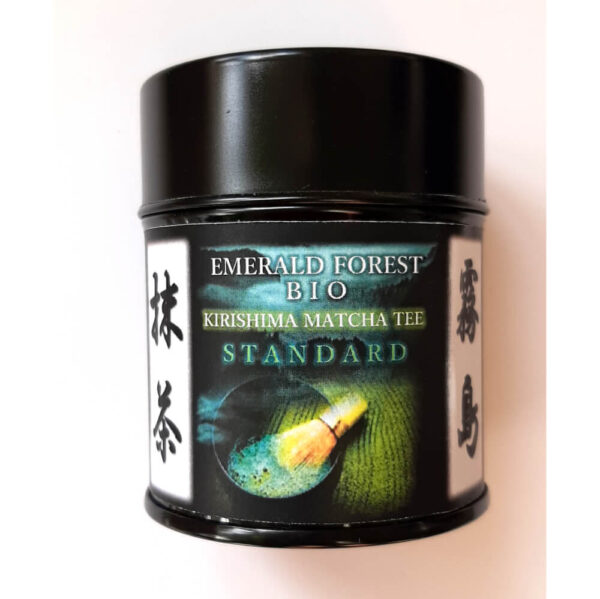
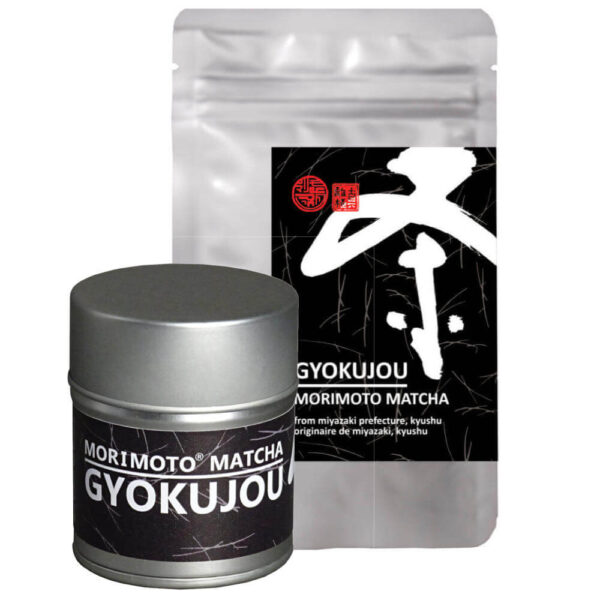
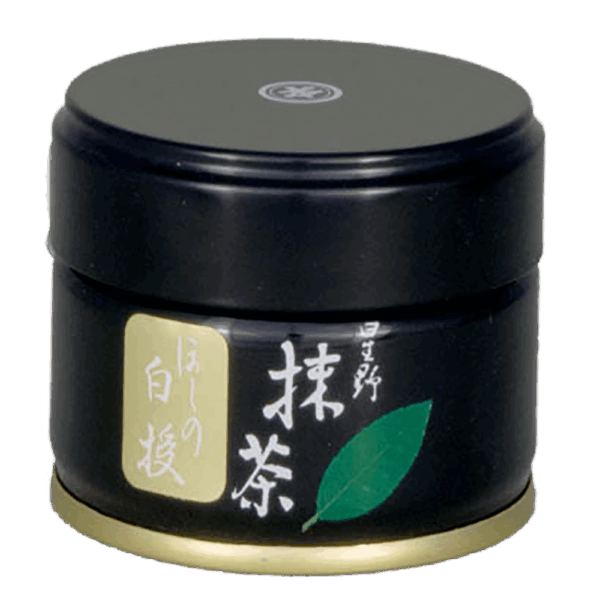
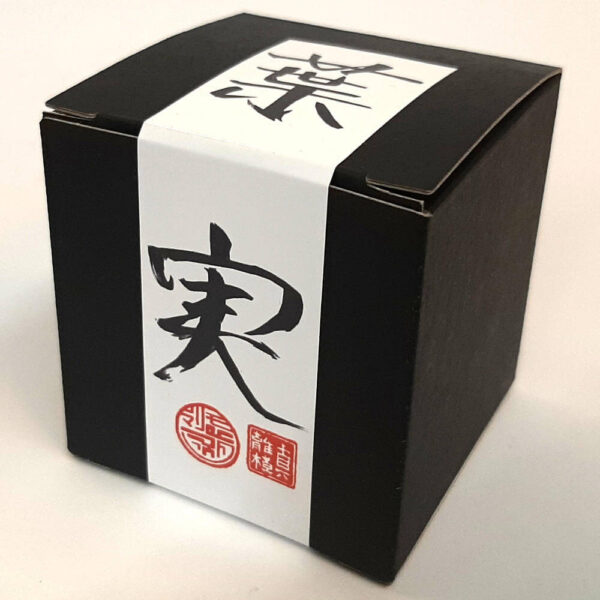
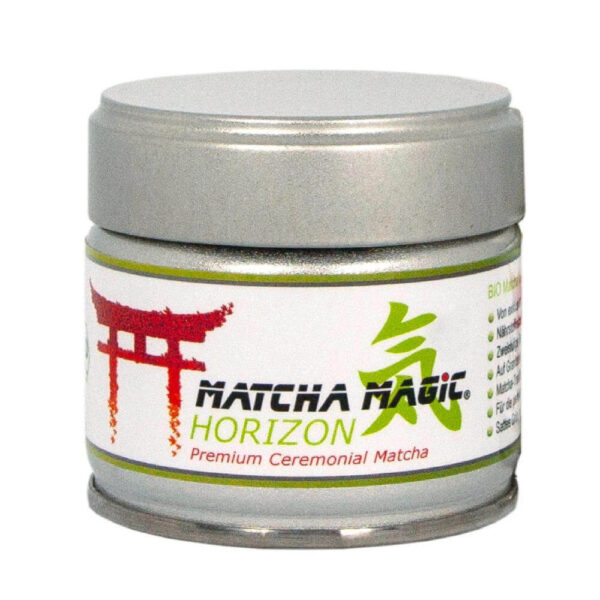
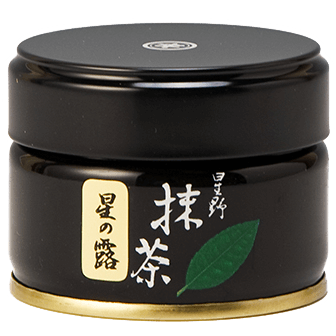
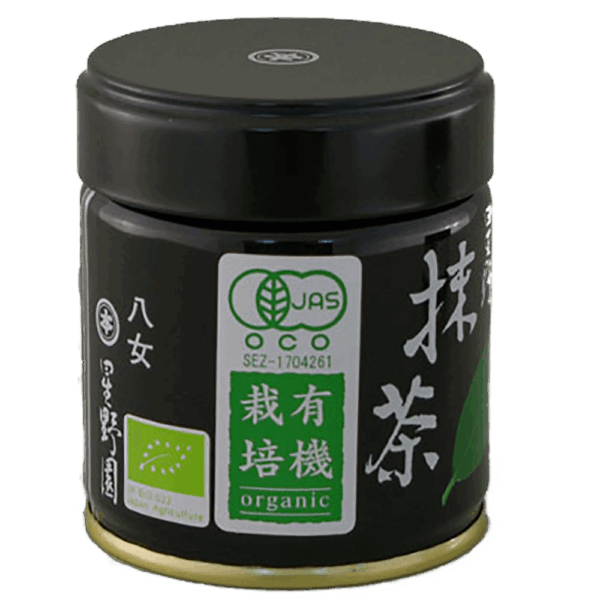
The Purist Grade brings together matcha varieties that we’ve selected for pure enjoyment with water. The focus is on a delicate texture, natural sweetness, distinct umami, and a balanced flavor profile without milk or added sweetness. This selection is ideal for usucha, and select varieties are also suitable for koicha; it’s designed for anyone who wants to experience matcha in its quiet, unadulterated form. You can find more about the idea behind this selection, the proper preparation, and the subtle differences below the products.
The Purist Grade is our curated selection of matcha meant to be enjoyed purely with water—no milk, no sweetener, no frills. Here you’ll find varieties we’ve selected for their delicate texture, natural sweetness, distinct umami, and balanced profile—all designed for an authentic experience in the bowl.
This category is for anyone who wants to experience matcha not as an ingredient, but as a tea. All you need is a chawan, a chasen, warm water, and a moment of mindfulness. Then you’ll discover what high-quality leaves, careful shading, gentle processing, and fresh grinding can truly achieve.
Matcha for the quiet bowl
Pure matcha is direct. It cannot be hidden behind milk, fruit, or sweetness. That is why, for The Purism Grade, we select only varieties that are harmonious even on their own. The focus is on a smooth mouthfeel, fine foam, a vibrant green color, and a flavor that reveals depth without becoming bitter or harsh.
Good Purism varieties can have nutty, creamy, fruity, mineral, grassy-fresh, or particularly umami-rich notes. Some are light and clear, others dense and creamy. What they have in common is their suitability for a minimalist preparation that allows every nuance to shine through.
Why these matchas stand out on their own
Matcha for pure enjoyment is crafted from particularly carefully selected leaves. Young, tender leaves are often shaded before harvest. This allows them to develop more chlorophyll, more delicate amino acids, and a softer flavor profile. In the cup, this manifests as an intense color, natural sweetness, a velvety texture, and a deep, rounded flavor.
What matters is not a single label, but the interplay of many factors: origin, cultivar, shading, harvest time, processing into tencha, grinding, and freshness. The Purism Grade brings together matchas in which this interplay is particularly harmonious.
We deliberately focus on suitability for pure enjoyment rather than empty quality promises. Terms like “ceremonial matcha” are not protected and do not constitute an official category in Japan. More meaningful factors are the actual leaf quality, the processing method, and whether a matcha is suitable for usucha or koicha.
Usucha and Koicha
Many matchas in this category are excellent for usucha—that is, the light, frothy preparation with water. It’s ideal for everyday use, for a quiet morning break, or for a moment of pure enjoyment in the afternoon.
Some particularly high-quality varieties can also be prepared as Koicha. In this method, the matcha is whisked into a thicker, more concentrated consistency. This preparation requires a very fine quality, as any bitterness, astringency, or harshness in the flavor would be immediately noticeable. When we recommend a matcha for Koicha, it exhibits depth without heaviness and richness without harshness.
Who The Purism Grade Is For
This category is ideal if you want to experience matcha in its purest form. It’s perfect for experienced tea drinkers who appreciate the subtle differences between origin, cultivar, and processing. But it’s also perfect for curious beginners who want to know right from the start how high-quality matcha tastes when enjoyed on its own.
The Purism Grade isn’t the best choice for heavily sweetened drinks, smoothies, or baking recipes. For those, there are bolder varieties that hold their own better against other ingredients. Here, it’s all about the moment when matcha itself takes center stage.
A flavor between umami and tranquility
A good matcha for pure enjoyment doesn’t have to be loud. The finest varieties in this category unfold slowly: first with a fresh, green aroma, then with a delicate foam, and finally with sweetness, depth, and a long finish.
Many people find matcha to be a pleasant companion for mindful breaks. It naturally contains caffeine and L-theanine. This combination is often described as gentle alertness. We see this not as a promise, but as an invitation: Make yourself a bowl, take a moment, and feel for yourself how this ritual suits you.
How to Prepare Purism Matcha
For a classic bowl, add one to two grams of matcha to a matcha bowl. If you want a particularly silky texture, sift the powder through a fine sieve beforehand.
First, stir the matcha with a little warm water to form a smooth paste. Then add about seventy to eighty milliliters of water and whisk the tea with the chasen in quick, light strokes until a fine foam forms.
For very fine varieties, we recommend using mild water at 65 to 70 degrees. This allows the natural sweetness, umami, and subtle nuances to come through particularly clearly. Water that is too hot can mask delicate aromas and accentuate bitterness.
How to Recognize a Matcha for Pure Enjoyment
Color A vibrant green indicates freshness, careful shading, and proper storage.
Aroma High-quality matcha has a fresh, green, mellow, and sometimes slightly sweet aroma.
Texture Fine powder and silky foam create a well-rounded mouthfeel.
Flavor Natural sweetness, distinct umami, and minimal bitterness are good signs.
Aftertaste A good Purism Matcha lingers pleasantly without feeling dry or heavy.
Frequently Asked Questions About The Purism Grade
What Does The Purism Grade Mean?
The Purism Grade is our selection of matcha teas that we recommend for pure enjoyment with water. These varieties are delicate, harmonious, and balanced enough to impress without milk, sugar, or other ingredients.
Is The Purism Grade the same as ceremonial matcha?
No. Ceremonial matcha is not a protected term nor an official Japanese quality grade. We prefer to base our selection on taste, origin, processing, and actual suitability for usucha or koicha.
Can I also use these matchas for matcha lattes?
It’s possible, but usually not ideal. Milk or plant-based milk can mask subtle nuances. For matcha lattes, we recommend bolder varieties that have been specifically selected for creamy beverages.
What’s the ideal water temperature?
For many varieties in this category, sixty-five to seventy degrees is a good guideline. This ensures that sweetness, umami, and delicate aromas remain particularly harmonious.
Is The Purism Grade also suitable for beginners?
Yes, especially if you want to experience matcha directly in its purest form. The varieties are high-quality but not intimidating. Start with a little less powder and gradually work your way up to your preferred intensity.
Discover The Purism Grade and find your matcha for quiet moments, delicate umami, and the pure enjoyment of Japanese green tea.