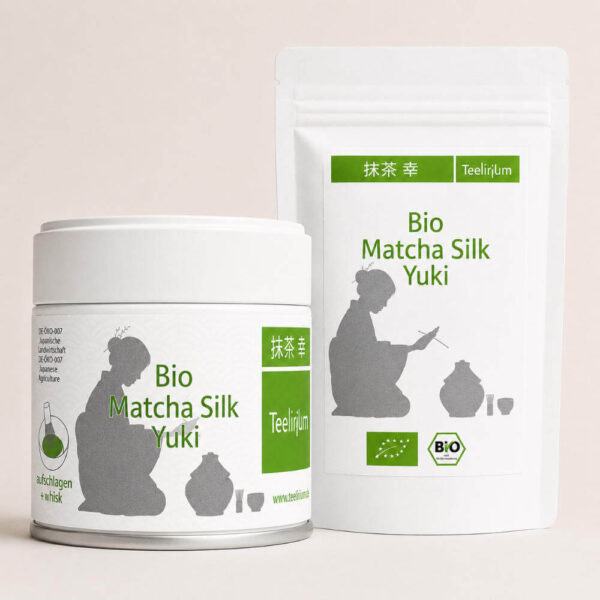
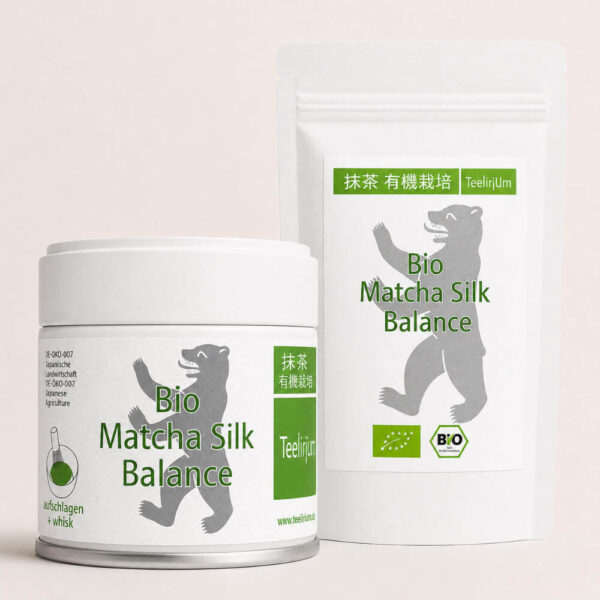
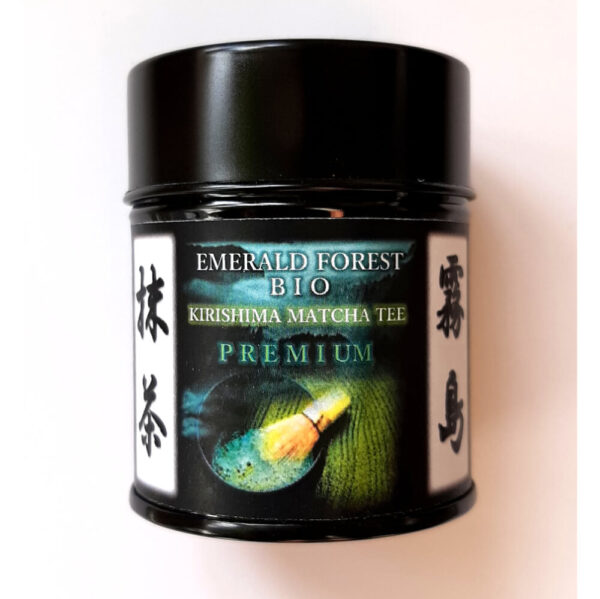
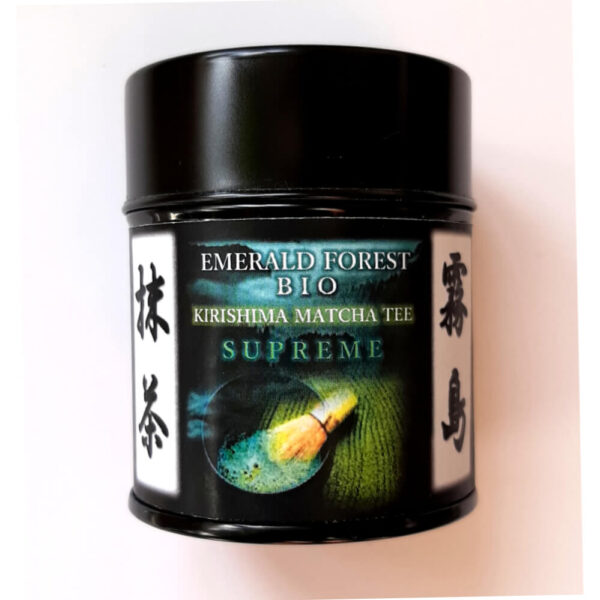
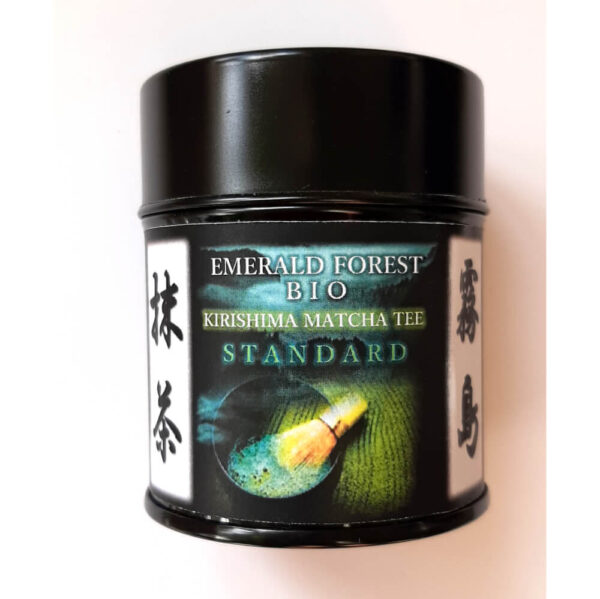
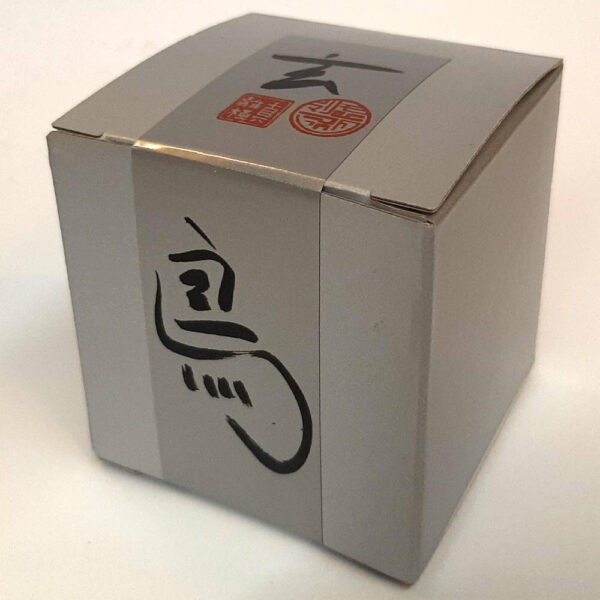
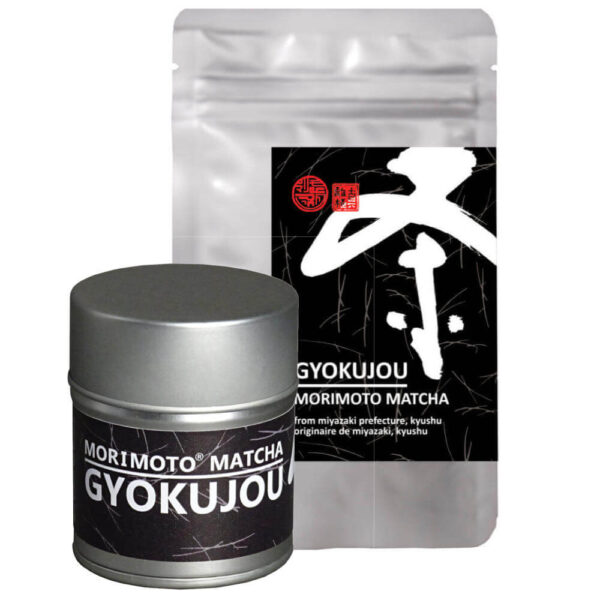
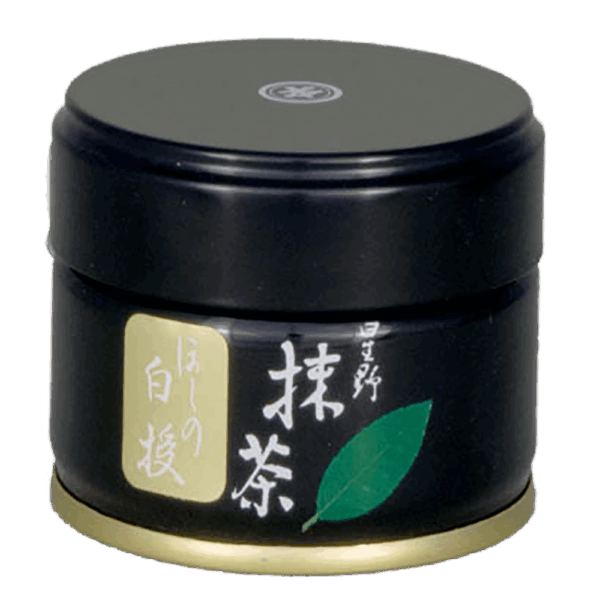
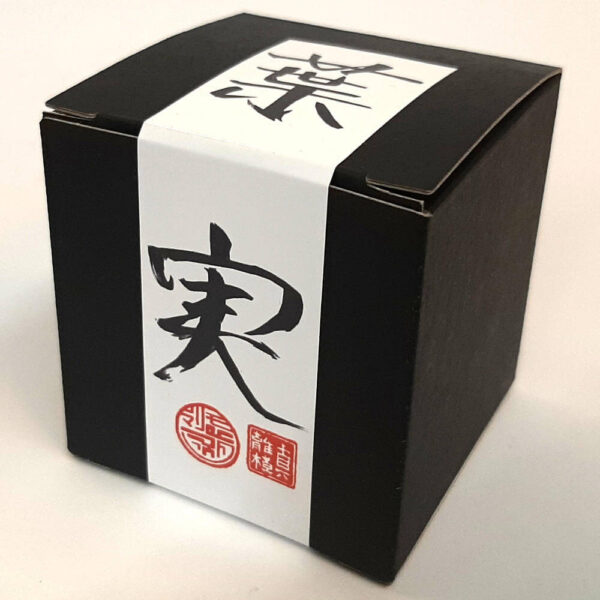
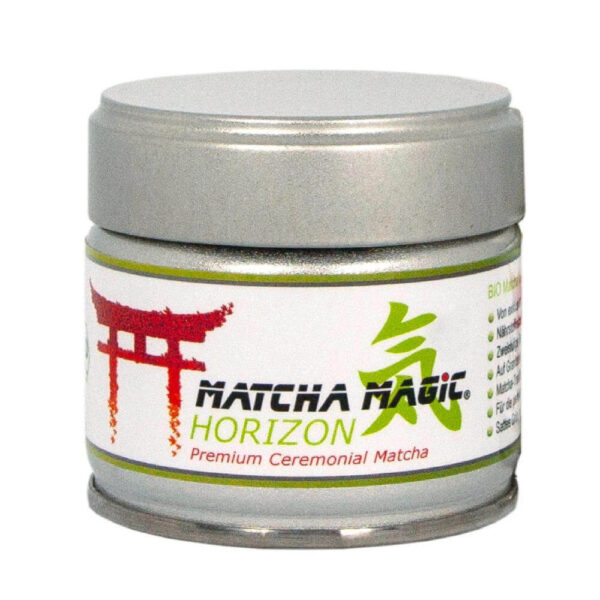
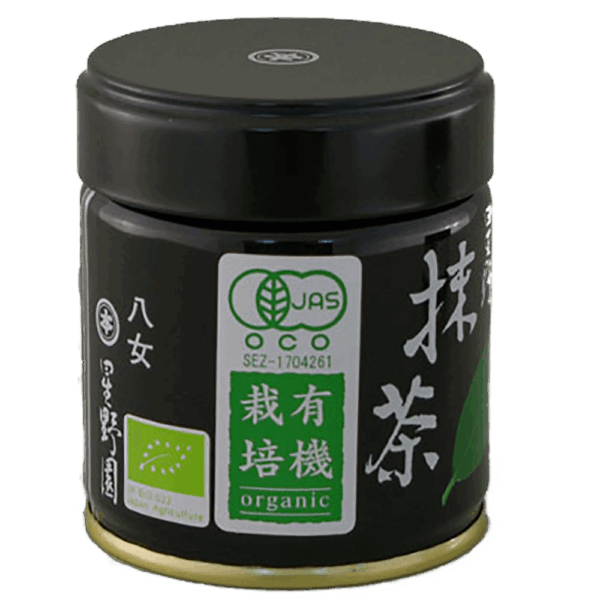
In this category, you’ll find all the varieties available at Matchashop that we recommend—across all producers—for the classic preparation with water. These matchas showcase their quality without milk, plant-based beverages, or sweeteners, and impress with their fine texture, natural umami, balanced sweetness, and minimal bitterness. The selection is broader than The Purism Grade and is ideal for anyone who wants to discover, compare, or explore pure matcha in greater depth. You’ll find more information about the differences between the varieties, usucha, koicha, and the appropriate preparation methods below the products.
In this category, you’ll find all the matcha varieties available at Matchashop that we recommend—across all producers—for pure enjoyment with water. The focus here is on varieties that taste harmonious without milk, plant-based beverages, or sweeteners. They showcase what makes matcha special in its purest form: a fine texture, vibrant green color, natural sweetness, umami, and a balanced interplay of freshness and depth.
Unlike The Purist Grade—our particularly select range for exceptionally purist matcha moments—here you’ll find the complete selection of all varieties that are generally suitable for the classic preparation with water. This allows you to compare different producers, regions of origin, and flavor profiles to find your personal favorite matcha.
Pure Matcha with Water
Pure matcha is the most direct way to experience this Japanese green tea. The finely ground powder isn’t simply steeped and strained out; instead, it’s fully whisked with water and drunk. This allows the color, aroma, texture, and flavor to shine through particularly clearly.
That’s exactly why matcha needs a special balance for pure enjoyment. A variety should be smooth enough to taste pleasant without milk or sweetener, yet have enough depth so it doesn’t seem flat in the bowl. Good drinking-grade teas typically exhibit subtle umami, a light natural sweetness, little bitterness, and a clean finish.
The complete selection for pure matcha enjoyment
This category brings together all the varieties from our producers that we consider suitable for preparation with water. Here you’ll find accessible grades for everyday enjoyment as well as finer qualities for special moments. Some varieties are mild and creamy, others fresh and green, while still others are deep, nutty, mineral-rich, or particularly rich in umami.
This way, you can work your way through the variety of pure matcha step by step. Perhaps you’re looking for a first variety that isn’t too astringent. Maybe you’d like to compare several producers. Perhaps you already know exactly what you like and are looking for more depth, more sweetness, or more character in your bowl.
If you’re looking for our meticulously curated recommendation for purist, premium moments, The Purism Grade is the right choice. If, on the other hand, you’d like to discover all the varieties available at Matchashop for pure enjoyment, you’ve come to the right place in this category.
Why Not Every Matcha Shines When Drunk Pure
Matcha for lattes, smoothies, or cooking can be stronger, more astringent, and more robust. When mixed with milk, plant-based beverages, dough, or fruit, the tea needs to have presence so its aroma doesn’t get lost. When enjoyed pure with water, however, it’s a different story.
Every nuance is immediately apparent in the bowl. An unpleasant astringency, a dry texture, or a dull aroma stand out more quickly. That’s why, for pure enjoyment, we recommend finer drinking grades made from carefully selected leaves that offer a more well-rounded flavor.
This doesn’t automatically make these varieties better for every purpose. It makes them more suitable for this one moment: matcha, water, a bowl, a chasen, and a few calm breaths.
A flavor profile ranging from sweetness to umami and subtle astringency
Matcha intended for pure enjoyment can vary greatly in taste. Some varieties offer a creamy mildness and an almost velvety mouthfeel. Others come across as fresh, herbaceous, and crisp. Still others bring more depth, nutty notes, or a long, soft umami.
A slight astringency is certainly part of matcha’s character. However, it should be well-integrated and not dominate the tea. Particularly harmonious varieties combine sweetness, freshness, and umami in such a way that the cup feels lively without becoming overwhelming.
Usucha and Koicha
Most varieties in this category are suitable for usucha—that is, the lighter, frothy preparation with water. Usucha is ideal for everyday use, for getting started with pure matcha enjoyment, and for regular tea moments.
Some particularly fine varieties can also be prepared as koicha. This method uses less water, and the matcha is whisked into a thicker, more concentrated consistency. This preparation requires a very high level of harmony in flavor, because any bitterness or harshness becomes immediately apparent.
We deliberately use these terms more precisely than Western marketing labels. What matters isn’t a big label on the can, but whether the variety suits the desired preparation in terms of flavor and functionality.
How to Prepare Pure Matcha
Add about 1 to 2 grams of matcha to a matcha bowl. If you want a particularly smooth texture, sift the powder through a fine sieve beforehand. First, mix the matcha with a small amount of warm water to form a smooth paste.
Then add about 70 to 80 milliliters of water and whisk the tea with the chasen using quick, light strokes until a fine foam forms. The water should be warm, but not boiling. For many varieties, 65 to 75 degrees is a good guideline.
The finer the matcha, the more beneficial a slightly lower temperature can be. This allows the sweetness, umami, and subtle aromas to come through more clearly. If your matcha tastes bitter, three small adjustments usually help: a little less powder, cooler water, and a gentler whisking.
Who This Category Is For
Matcha for pure enjoyment is right for you if you want to experience matcha as a tea. Not as a latte, not as an ingredient, not as a green flavor in a recipe, but as a finely whisked bowl with its own distinct character.
This category is suitable for beginners looking for a high-quality first-time drinking experience. However, it’s just as exciting for experienced matcha enthusiasts who want to compare different producers, regions, and styles.
If you mainly drink matcha lattes, we recommend our “Matcha for Matcha Lattes” category. If you want to bake, cook, or make smoothies, “The Culinary Artist” is a better fit. This section is all about pure green matcha.
How to Recognize Good Matcha for Pure Enjoyment
Color A vibrant green indicates careful processing and good freshness.
Aroma High-quality matcha has a fresh, green, mellow, and sometimes slightly sweet aroma.
Texture Finely ground powder creates a silky mouthfeel.
Flavor Sweetness, umami, and a subtle astringency should harmonize beautifully.
Aftertaste A good matcha lingers pleasantly without feeling dry or harsh.
How it differs from our other categories
The Purism Grade showcases our particularly rigorously curated selection for purist matcha moments. Matcha for pure enjoyment is a broader category and includes all varieties from all producers that we recommend for preparation with water.
The Daily Driver is our top recommendation for everyday matcha lattes. Matcha for matcha lattes brings together all varieties that pair well with milk or plant-based beverages. The Culinary Artist is designed for cooking, baking, smoothies, and creative recipes.
This way, you’ll find not just a good matcha, but the right matcha for your moment.
Frequently Asked Questions About Matcha for Pure Enjoyment
What does “Matcha for Pure Enjoyment” mean?
By this, we mean matcha varieties that we recommend for the classic preparation with water. They taste harmonious without milk, plant-based milk, or sweetener, and their quality shines through directly in the bowl.
Is this category the same as “The Purism Grade”?
No. The Purism Grade is our particularly carefully curated selection for purist moments of excellence. Matcha for Pure Enjoyment is the broader category encompassing all varieties that we generally consider suitable for preparation with water.
Can I also use these matchas for matcha lattes?
It’s possible, but not always ideal. Milk or plant-based milk can mask subtle nuances. For lattes, we recommend stronger varieties from our “Matcha for Matcha Lattes” category.
What is the ideal water temperature?
For many varieties, 65 to 75 degrees is a good guideline. Particularly delicate matchas can also taste wonderful with slightly cooler water. Water that’s too hot can bring out bitterness.
How much matcha do I need for a bowl?
For usucha, 1 to 2 grams of matcha in about 70 to 80 milliliters of water is usually enough. If you prefer a milder taste, start with a little less powder and adjust gradually.
Do I need a chasen?
For pure matcha, a chasen is the best choice. The bamboo whisk blends the powder and water together finely and creates the characteristic foam. This makes the texture much more harmonious.
Discover matcha for pure enjoyment and find your favorite variety for clear bowls, delicate umami, and Japanese green tea in its purest form.