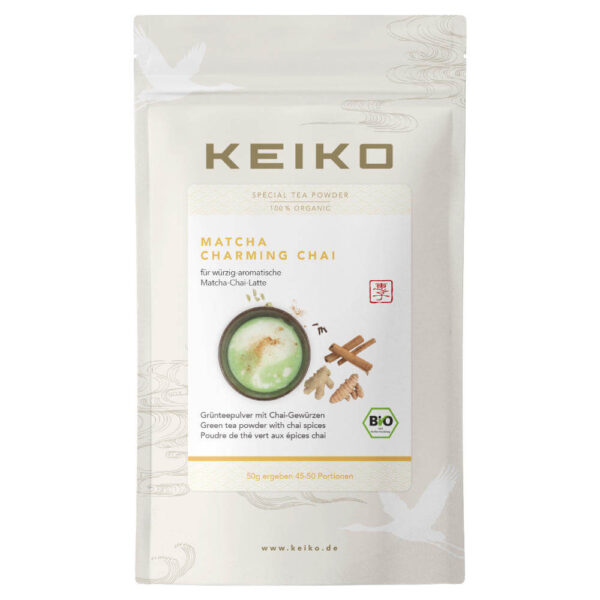
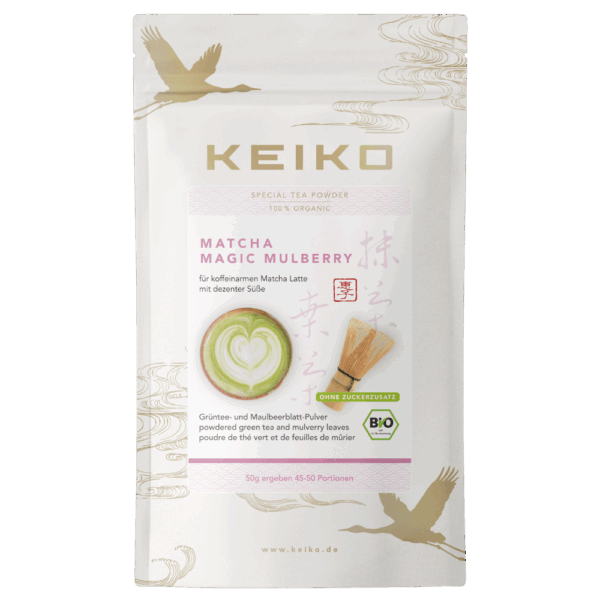
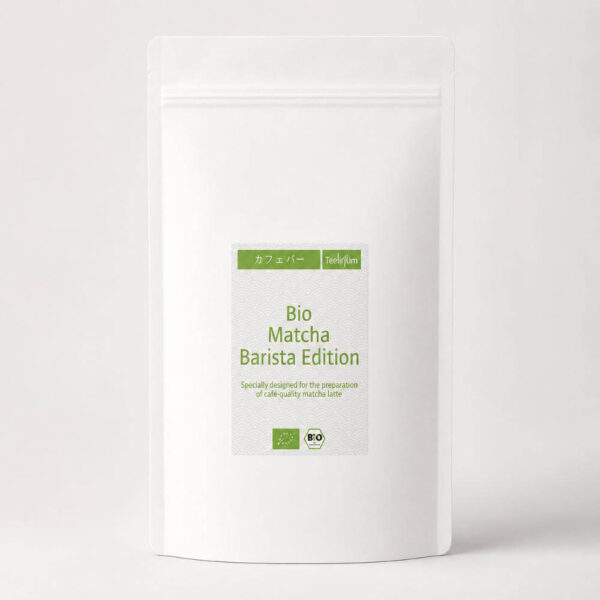
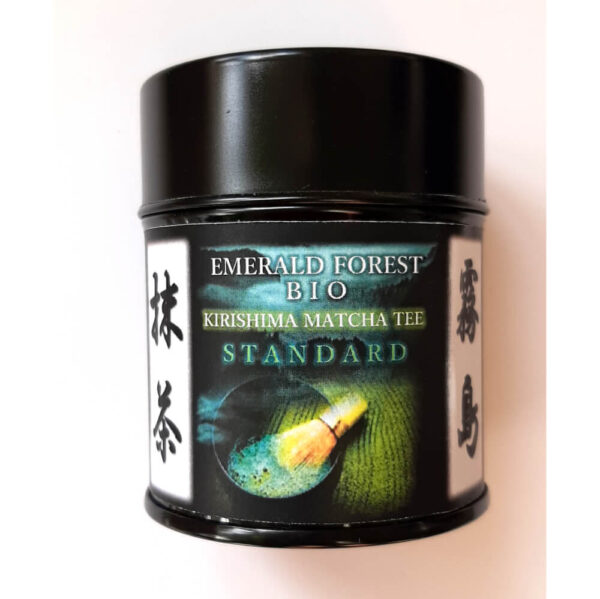
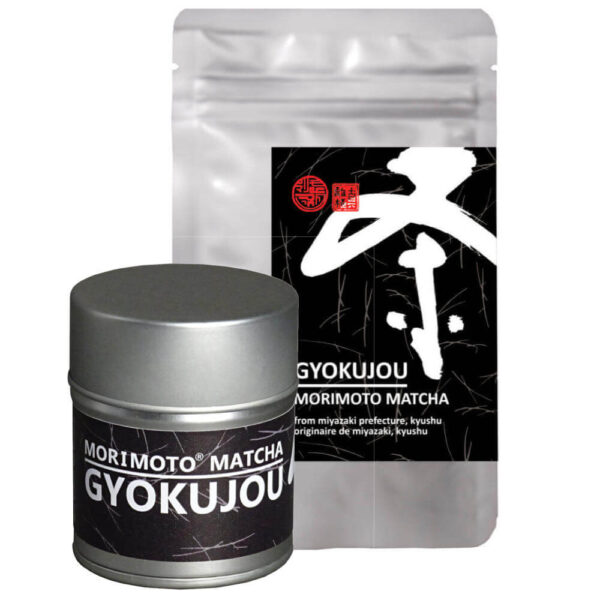
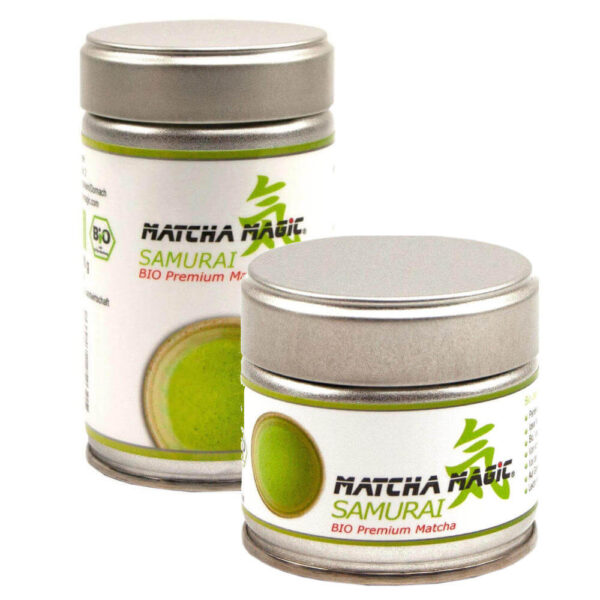
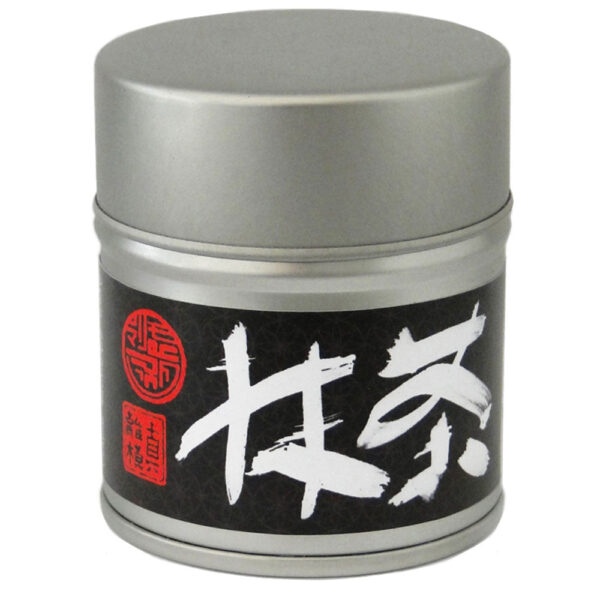
The Daily Driver is our selection of matcha varieties that work especially well in matcha lattes. These varieties are bold enough to blend well with milk or plant-based milk, yet remain balanced, green, and pleasant-tasting. They’re perfect for both hot and cold latte rituals in your daily life and offer a reliable guide for anyone who wants to enjoy a creamy matcha regularly. You can find more details below each product about what makes these varieties so well-suited for lattes and how best to prepare them.
The Daily Driver is our curated selection of matchas that really shine in a matcha latte. Here you’ll find varieties that are bold enough to blend with milk or plant-based milk without losing their green character. Creamy, clear, perfect for everyday enjoyment, and with just the right presence a good latte needs.
This category is for anyone who wants to enjoy matcha regularly—in the morning for a gentle start, in the afternoon for a green break, or anytime the day calls for something warm, creamy, and delightful. No elaborate ritual is needed, but a little care goes a long way.
Matcha for Creamy Rituals
A good matcha latte thrives on balance. The tea shouldn’t get lost in milk or plant-based milk, but it also shouldn’t taste harsh or bitter. That’s why, for The Daily Driver, we select varieties that combine a robust, green profile with a pleasant texture.
Many of these matchas feature nutty, slightly tart, grassy, or gently sweet notes. It’s precisely these flavors that pair especially well with oat milk, cow’s milk, almond milk, or other plant-based alternatives. The creaminess rounds out the edges, while the matcha adds color, depth, and freshness.
Why Not Every Matcha Is Suitable for a Latte
Very fine matchas meant for pure enjoyment are often soft, subtle, and nuanced. In a latte, these delicate flavors can quickly be overshadowed. That’s why varieties with a bit more body, a clearer green tea character, and a robust flavor profile are best suited for matcha lattes.
That doesn’t mean these matchas are any less valuable. They’re simply meant for a different purpose. A “Daily Driver” can be bolder, have a slightly more astringent profile, and fit seamlessly into your everyday life. It doesn’t have to whisper, but it shouldn’t shout either.
The Flavor of The Daily Driver
The varieties in this category range from fresh and green to slightly astringent, nutty, creamy, and well-balanced. Some come across as particularly smooth in oat milk, while others remain distinct and present even in cold beverages. It’s important that the matcha remains recognizable as tea even after being whisked.
If you like your latte mild, choose a rounder variety with less astringency. If you prefer a more intense drink, go for a bolder profile. The Daily Driver helps you find the right direction faster, without having to taste every variety individually.
Made for Your Everyday Life
The Daily Driver isn’t meant for display. These matchas are designed for regular use—hot or cold, classic or creative. They’re perfect for quiet mornings, quick breaks at the office, days at school, studio time, work-from-home rituals, and weekends with the alarm turned off.
Matcha naturally contains caffeine and L-theanine. Many people experience this combination as an alert calm or gentle clarity. We’re phrasing this deliberately cautiously: Matcha isn’t a promise, but a moment of enjoyment that can accompany you through your daily life.
How to Make a Matcha Latte
Add one to two grams of matcha to a bowl or glass. Sift the powder through a fine sieve beforehand if you want a particularly smooth texture. Stir the matcha with a little warm water to form a smooth paste.
Then add warm, frothed milk or a plant-based milk. Oat milk is especially popular because it naturally has a slight sweetness and a lovely creaminess. For a cold version, stir the matcha with a little water until smooth, then top it off with cold plant-based milk and ice cubes.
If you prefer it a little milder, sweeten it subtly with maple syrup, agave nectar, or vanilla. A good “daily driver” doesn’t need much help, but it graciously accepts little extras.
How to Recognize a Good Matcha Latte
Presence The matcha remains distinctly flavorful even when mixed with milk or a plant-based milk.
Color A rich green makes for a beautiful latte moment in your glass.
Texture Finely ground powder blends more easily with water and milk.
Balance A slight astringency is welcome; unpleasant bitterness is not.
Suitability for Everyday Use Matcha should be easy to prepare and a regular source of enjoyment.
Hot or Cold
A warm matcha latte has a smooth, rounded, and soothing flavor. It’s perfect for the morning or a mindful afternoon break.
An iced matcha latte has a fresher, clearer, and lighter flavor. To make it, first whisk the matcha with a little water until smooth, then pour it over ice cubes and a cold plant-based milk. The moment when the green color slowly seeps through the glass is especially lovely. A little tea poetry, with no effort at all.
Who The Daily Driver is for
This category is for you if you primarily want to drink matcha as a latte and are looking for a reliable option. It’s ideal for beginners seeking an accessible starting point and for experienced matcha enthusiasts looking for a variety for regular use.
If you’d like to drink matcha straight with water, we recommend our selection for pure enjoyment instead. If you want to bake, cook, or use large quantities for recipes, stronger culinary-grade matcha is often the better choice. The Daily Driver falls right in the middle: high-quality enough for enjoyment, strong enough for milk, and simple enough for everyday use.
Frequently Asked Questions About The Daily Driver
What does The Daily Driver mean?
The Daily Driver is our selection of matcha varieties that we particularly recommend for matcha lattes. These varieties are robust, well-balanced, and aromatic enough to blend harmoniously with milk or plant-based milk.
Can I also drink these matcha varieties on their own?
Yes, that’s possible. Some varieties also taste pleasant on their own with water. However, their true strength lies in matcha lattes, as they really shine in creamy beverages.
Which milk works best?
Oat milk is very popular because it’s creamy and has a light, natural sweetness. Cow’s milk, almond milk, or soy milk also work well.
It all comes down to your personal taste and the texture you prefer.
Why does my matcha latte taste bitter?
This is often due to water that’s too hot, too much powder, or a variety that’s very astringent. Stir the matcha into warm—not boiling—water, start with a smaller amount, and sweeten it lightly if needed.
How much matcha do I need for a latte?
One gram of matcha is enough for most matcha lattes. If you prefer a more intense flavor or are making a large glass, you can increase the amount to one and a half to two grams.
Is The Daily Driver suitable for cold drinks?
Yes. Many varieties in this category work very well for iced matcha lattes. It’s important to first stir the powder with a little water until smooth to prevent clumps from forming.
Discover The Daily Driver and find your matcha for creamy latte moments, refreshing breaks, and green rituals in your everyday life.