

Matcha Magic
Matcha Magic stands for certified organic matcha from Japan that combines clear traceability, reliable quality, and effortless enjoyment. Samurai, Tenno, and Horizon cater to different matcha experiences, ranging from versatile everyday use to a particularly refined, purist enjoyment. This selection is perfect for anyone who simply wants to understand and consciously enjoy organic matcha. You can find more information about the differences between the varieties, their origins, and preparation methods below the products.
-
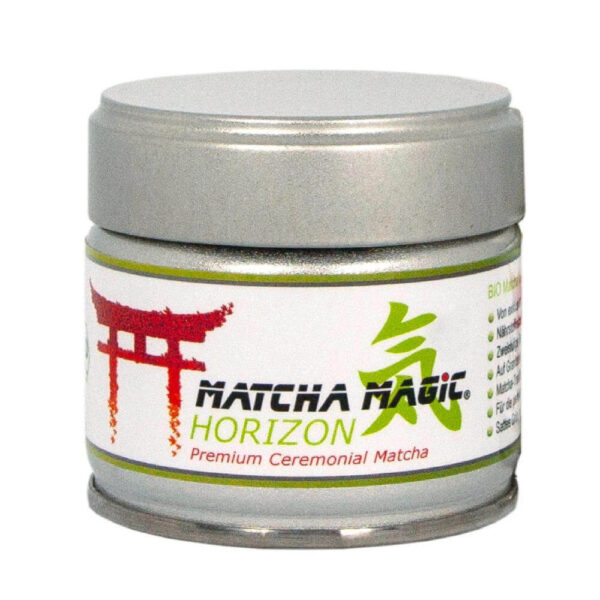
Matcha Horizon, organic
Base price: 931,47 € / 1000 g
27,94 € inkl. MwSt.plus shipping costs
Delivery time: 2-4 days
-
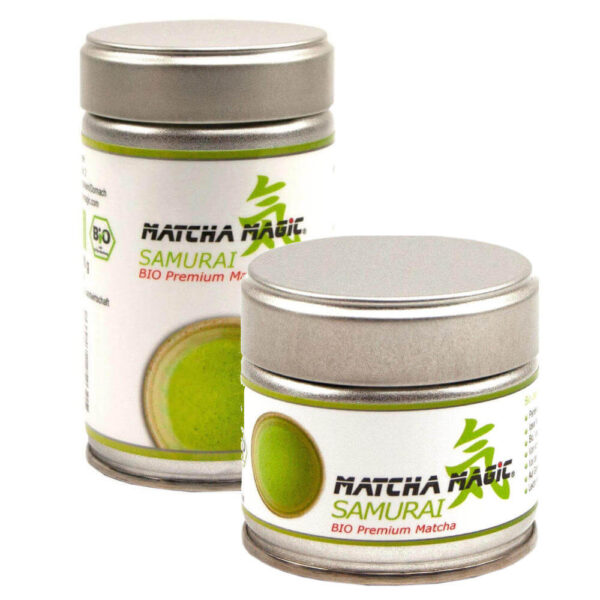
Matcha Samurai, organic
Base price: 682,24 € – 582,94 € / 1000 g
21,90 € – 49,90 € inkl. MwSt.Variante wählen This product has multiple variants. The options may be chosen on the product pageplus shipping costs
Delivery time: 2-4 days
-

Matcha Tenno, organic
Base price: 838,01 € – 758,18 € / 1000 g
26,90 € – 64,90 € inkl. MwSt.Variante wählen This product has multiple variants. The options may be chosen on the product pageplus shipping costs
Delivery time: 2-4 days
Organic Matcha from Matcha Magic in Japan
Matcha Magic stands for certified organic matcha from Japan that combines clear traceability, reliable quality, and effortless enjoyment. The matchas in this category are carefully selected and appeal to anyone who wants to consciously incorporate Japanese green tea into their daily routine: enjoyed pure with water, creamy as a matcha latte, or as a delicate green accompaniment for peaceful breaks.
At Matchashop, you’ll find three organic matchas from Matcha Magic: Samurai, Tenno, and Horizon. Each variety showcases a unique aspect of Japanese matcha culture. From balanced and suitable for everyday use to deep, creamy, and particularly nuanced, this small, curated selection caters to a variety of rituals.
Organic Matcha from Japan
Matcha Magic specializes in Japanese organic matcha from renowned tea-growing regions. Among the most influential regions are Kagoshima, Miyazaki, and Kyoto (including Uji). Each region brings its own climatic conditions, soils, and tea traditions.
Kagoshima is known for its warm climate, volcanic soils, and fresh, umami-rich teas. Miyazaki is considered a major region for organic tea cultivation, with a mild climate and balanced flavor profiles. Kyoto, including Uji, is synonymous with centuries-old matcha culture, a deep green color, a velvety texture, and complex umami.
It is precisely this diversity that makes Matcha Magic so interesting: The varieties remain accessible, yet exhibit noticeable differences in color, sweetness, body, and depth depending on their quality and origin.
Quality that speaks for itself
Good matcha begins long before it reaches the can. The tea bush variety, location, shading, harvest time, processing of the tencha, and grinding into a fine powder are all crucial factors. Matcha Magic focuses on controlled organic quality, traceability, and certified raw materials.
For you, this means: You get matcha that not only looks beautifully green but was also produced in a traceable manner. The varieties have a clear, fresh, and clean profile. Depending on your selection, the spectrum ranges from slightly tart and balanced to smooth, sweet, and particularly rich in umami.
Shading, Tencha, and Stone Grinding
Matcha is made from tencha—specifically cultivated and processed tea leaves that are shaded before harvest. Shading allows the leaves to develop more chlorophyll and more delicate amino acids. This enhances the intense green color and the characteristic flavor, which can be sweet, deep, and rich in umami.
After harvesting, the leaves are gently processed and ground into a fine powder. Premium-quality matcha is ground slowly using stone mills. This ensures the texture remains fine and the aroma isn’t compromised by unnecessary heat.
Because you don’t brew matcha but instead drink the whole leaf in its finest form, these details are particularly important. Every cup immediately reveals how carefully the leaves, processing, and freshness all come together.
The Matcha Magic Varieties at Matchashop
The selection includes three certified organic varieties with distinct characteristics. This makes it easy to find the matcha that suits your ritual.
- Organic Matcha Samurai is balanced, clean, and versatile. It features a subtle, refined bitterness, a slightly tart aroma, and a pleasant umami flavor. This makes it particularly well-suited for matcha lattes, smoothies, and daily enjoyment.
- Organic Matcha Tenno is milder, sweeter, and fuller-bodied. This variety is known for its creamy texture, more intense umami, and a particularly harmonious cup. A wonderful choice if you want to enjoy matcha on its own but aren’t looking for a pronounced astringency.
- Organic Matcha Horizon is the finest variety in the selection. It features a creamy body, complex aromas, full umami depth, and a gently sweet note. Horizon is aimed at connoisseurs who want to experience matcha in a particularly pure and nuanced way.
When is Matcha Magic best suited?
Matcha Magic is ideal if you’re looking for a straightforward selection without having to work your way through too many varieties. Samurai is a simple companion for your everyday life and also shines in creamy beverages. Tenno strikes a fine balance between accessibility and depth. Horizon is meant for quiet moments when you want to truly savor matcha in its purest form.
Matcha naturally contains caffeine and L-theanine. Many people experience this combination as a sense of alert, calm clarity. We phrase this deliberately cautiously: Matcha is not a promise, but a ritual that can combine enjoyment, mindfulness, and a brief pause in your daily routine.
Flavor and Character
The matcha varieties from Matcha Magic offer distinct flavor profiles. Samurai has a green, slightly tart profile and remains distinct even when mixed with milk or plant-based milk. Tenno is softer, rounder, and sweeter. Horizon goes even deeper, focusing on a velvety texture, complex umami, and a long, harmonious finish.
This allows you to choose based on your taste preferences: bold and versatile, soft and full-bodied, or particularly delicate and concentrated. Matcha doesn’t have to be complicated. It just needs to be carefully selected.
How to Prepare Matcha Magic
For a classic bowl, add about one to two grams of matcha to a bowl. If you want a particularly silky texture, sift the powder through a fine sieve first. First, add a small amount of warm water and stir the matcha into a smooth paste.
Then add about seventy to eighty milliliters of warm water and whisk the matcha with the chasen using quick, light strokes. For finer varieties like Tenno and Horizon, milder temperatures around sixty-five to seventy degrees are recommended. This allows the sweetness and umami to come through clearly.
For a matcha latte, first stir the matcha with a little water until smooth, then add warm milk or a plant-based milk. Samurai is particularly well-suited for this because its green character remains noticeable even in creamy beverages.
Frequently Asked Questions About Matcha Magic
Are the Matcha Magic varieties certified organic?
Yes, Samurai, Tenno, and Horizon are certified organic matchas from Japan. You can find the exact details regarding organic certification directly on each product page.
Which variety is right for me?
Samurai is a good choice if you’re looking for a versatile matcha for lattes, smoothies, and everyday use. Tenno is the right choice for a mild, sweeter flavor with a creamy texture. Horizon is ideal for connoisseurs who want a particularly rich umami flavor, depth, and a pure, unadulterated character.
Can I drink Matcha Magic straight?
Yes. Tenno and Horizon, in particular, reveal their subtle nuances beautifully when enjoyed straight with water. Samurai can also be drunk straight, but it’s also excellent for matcha lattes and other creative preparations.
Why does matcha sometimes taste bitter?
Bitterness can result from water that’s too hot, too much powder, or a very strong variety. It’s best to use slightly cooler water, sift the powder, and start with a small amount. This will make the flavor smoother and more harmonious.
How does matcha differ from regular green tea?
Matcha isn’t simply steeped. You drink the finely ground tea leaves in their entirety. This makes the color, aroma, texture, and flavor particularly intense. At the same time, you can immediately experience the quality of the leaves.
Discover organic matcha from Matcha Magic and find your perfect blend for refreshing breaks, creamy rituals, and the enjoyment of Japanese green tea with a traceable origin.