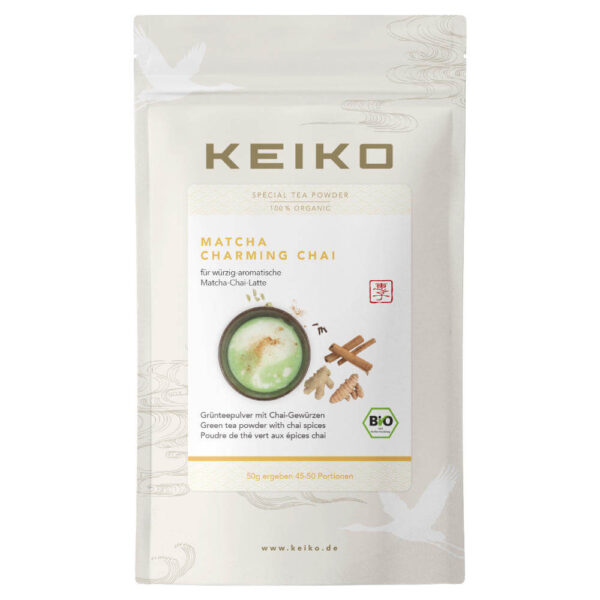
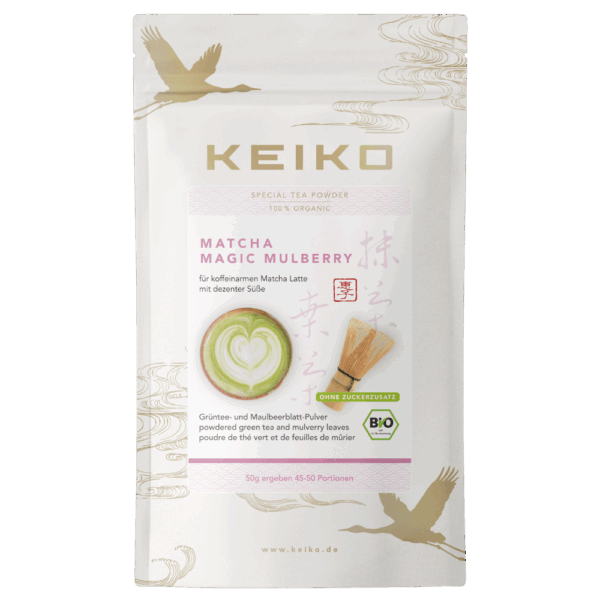
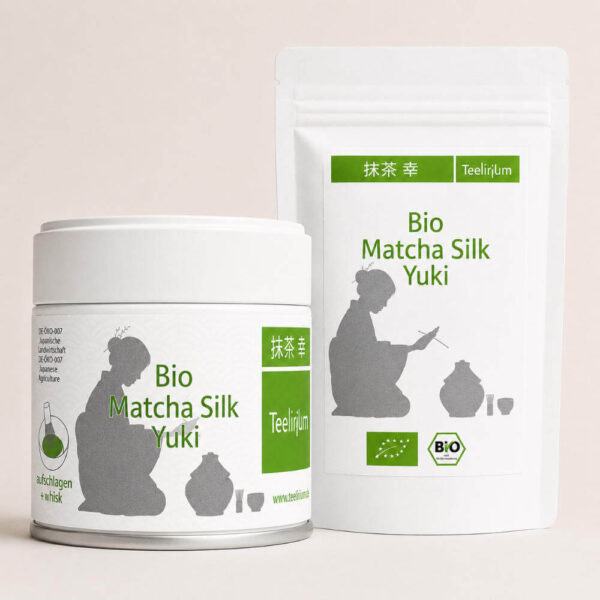
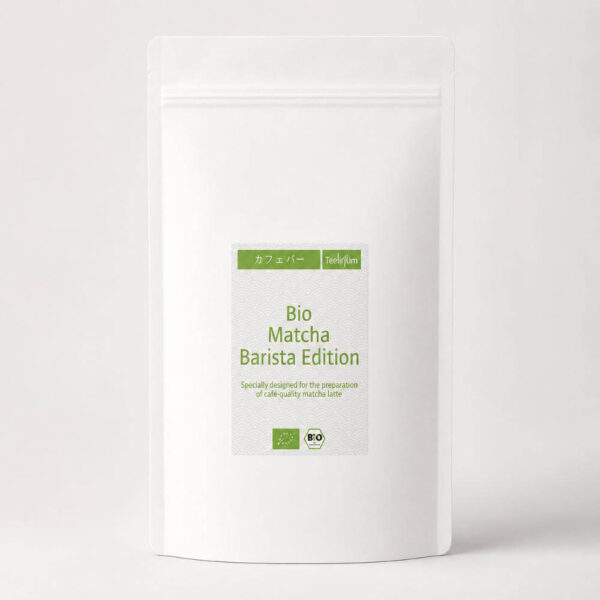
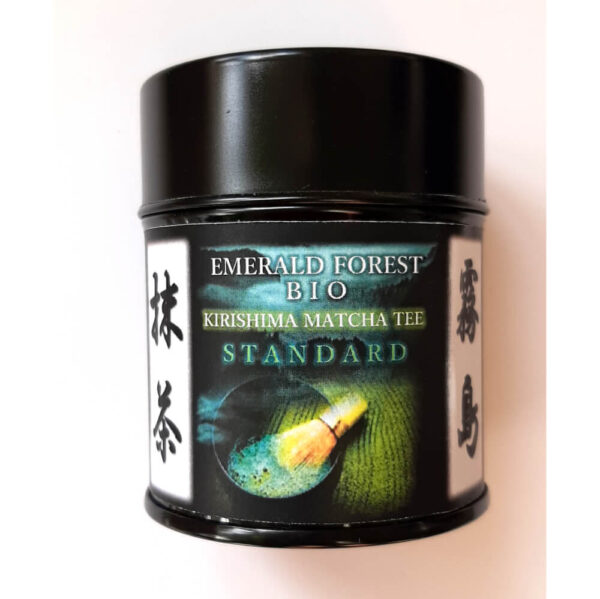
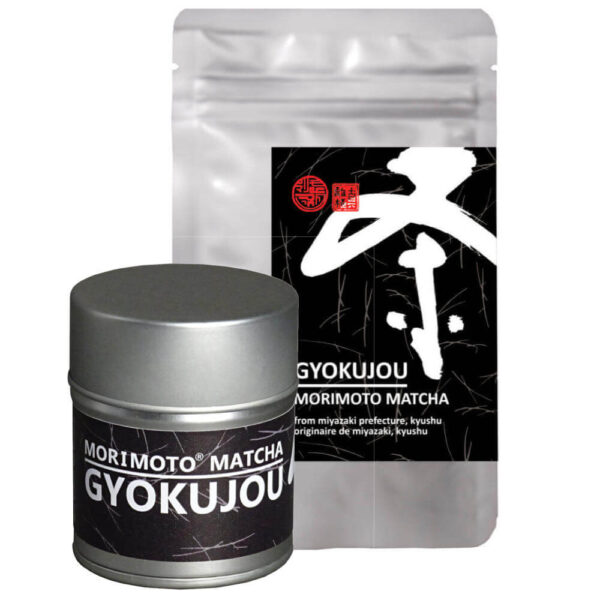
In the “Matcha for Matcha Lattes” category at Matchashop, you’ll find all the varieties we recommend—across all producers—for making drinks with milk or plant-based milk. These matchas are bold enough to hold their own in creamy drinks, yet they’re well-balanced, green, and pleasant-tasting. The selection is broader than that of “The Daily Driver” and is perfect for hot matcha lattes, iced matcha lattes, and creamy everyday breaks. You’ll find more information about the differences between the varieties, the best preparation methods, and a few latte tips below the products.
In this category, you’ll find all the matcha varieties available at Matchashop that we consider suitable for making matcha lattes. Unlike *The Daily Driver*—our carefully curated selection of favorites for creamy everyday rituals—here you’ll find our complete latte selection from all producers.
These varieties are designed to blend harmoniously with milk or plant-based milk. They have enough body to hold their own in a creamy drink, yet remain balanced, green, and pleasant on the palate. Perfect for warm bowls, cold glasses, oat milk moments, and little breaks that call for something gentle yet full of character.
Why Matcha Lattes Need Their Own Varieties
Not every matcha shows its best side when mixed with milk or plant-based milk. Very delicate varieties meant for pure enjoyment are often soft, subtle, and nuanced. In a matcha latte, these delicate flavors can quickly be overshadowed.
That’s why varieties with a bit more presence are best suited for matcha lattes. They can be bolder, greener, slightly more astringent, or nuttier. It’s precisely these characteristics that ensure the matcha remains recognizable even alongside the creamy texture of milk, oat milk, soy milk, or almond milk.
This doesn’t mean that latte matcha is any less valuable. It simply serves a different purpose. A good matcha for lattes shouldn’t just shine with subtle refinement; it should blend with other ingredients while retaining its character.
The complete latte selection at Matchashop
In this category, we’ve grouped all the varieties from our producers that are intended for matcha lattes or are very well suited for them. This allows you to compare different origins, quality levels, and flavor profiles all within a single section.
Some varieties are particularly mild and creamy. Others offer more green tea character, a more subtle astringency, or a more intense aroma. As a result, you’ll find both approachable matchas for beginners and bolder varieties for a distinct, rich latte profile.
If you’re just looking for our personally curated favorites for your regular latte rituals, “The Daily Driver” is the right choice. If, on the other hand, you want to discover all the latte varieties available at Matchashop, you’ve come to the right place.
Flavors ranging from creamy to green to crisp
A good matcha latte thrives on balance. The milk or plant-based milk adds smoothness, sweetness, and richness. The matcha brings color, freshness, depth, and a delicate green tea aroma. Only when combined do they create this well-rounded, creamy moment of indulgence.
Depending on the variety, your matcha latte may taste mild, nutty, fresh and green, gently tart, or full-bodied. If you prefer a particularly smooth taste, choose a milder variety. If you want to really taste the matcha, go for a bolder profile.
Matcha lattes made with oat milk are especially popular because oat milk naturally offers a light sweetness and a pleasant creaminess. Cow’s milk, soy milk, almond milk, or coconut milk also work well. Ultimately, it all comes down to your personal taste.
For warm and cold matcha latte moments
When prepared hot, a matcha latte has a smooth, rounded, and soothing flavor. It’s perfect for the morning, a mindful break, or as a gentle alternative to very intense coffee drinks.
When prepared cold, it becomes an iced matcha latte: fresh, light, and especially beautiful in a glass. To make it, first stir the matcha with a little water until smooth, then pour it over ice cubes and cold plant-based milk or regular milk. The green hue slowly spreads through the glass, making even simple afternoons a little more appealing.
How to Make a Matcha Latte
Add one to two grams of matcha to a bowl or glass. Sift the powder through a fine sieve if you want a particularly smooth texture. First, stir the matcha with a little warm water until a smooth paste forms.
Then add about 150 to 200 milliliters of warm, frothed milk or plant-based milk. For a cold version, use cold plant-based milk and ice cubes. If you prefer a milder flavor, you can subtly round out the taste with maple syrup, agave nectar, or vanilla.
It’s especially important not to stir the matcha directly into a large amount of milk. First, stir it with a little water until smooth, then top it off. This simple step prevents clumps and makes the latte much smoother.
How to Recognize a Good Matcha for a Latte
Presence The matcha remains clearly recognizable even in milk or plant-based milk.
Color A rich green ensures a beautiful matcha latte in a glass or cup.
Balance A slight astringency is welcome, but unpleasant bitterness is not.
Texture Finely ground powder is easier to stir until smooth.
Versatility Good latte varieties work well hot, cold, and often in creamy recipes as well.
For Beginners and Experienced Matcha Lovers
For many people, a matcha latte is their first introduction to matcha. The milk or plant-based beverage tempers the tea’s intensity and makes the flavor smooth and approachable. That’s why this category is also a great choice if you’re just getting to know matcha.
At the same time, even experienced matcha enthusiasts will find exciting varieties here for everyday enjoyment. After all, a good matcha latte doesn’t have to be complicated. It needs to taste great every time, be easy to prepare, and bring joy with every cup.
How this category differs from our others
The Purism Grade is our selection of matcha meant to be enjoyed pure with water. The Daily Driver is our carefully curated selection for everyday matcha lattes. The Culinary Artist brings together varieties for cooking, baking, smoothies, and creative recipes.
Matcha for Matcha Lattes is the broader category for all varieties from all producers that we generally recommend for creamy latte preparations. It helps guide you when you’re specifically looking for matcha that pairs well with milk or plant-based milk.
Frequently Asked Questions About Matcha for Matcha Lattes
Which Matcha Varieties Are Suitable for Matcha Lattes
Varieties with a stronger, slightly more robust flavor profile are best suited for matcha lattes. They remain distinct even when mixed with milk or plant-based milk and don’t get overpowered by the other flavors.
Can I also use very high-quality matcha for lattes?
It’s possible, but not always advisable. Very delicate varieties meant for pure enjoyment can lose their subtle nuances when mixed with milk or plant-based milk. For lattes, we therefore recommend varieties that are specifically suited for this purpose.
Which milk pairs best with a matcha latte?
Oat milk is particularly popular because it’s creamy and has a light, natural sweetness. Cow’s milk, soy milk, almond milk, or coconut milk can also work well. It all comes down to your personal taste.
How much matcha do I need for a latte?
For most matcha lattes, one to two grams of matcha is sufficient. For a smaller glass or a milder flavor, one gram is often enough. For a stronger drink, you can use a slightly higher amount.
Why does my matcha latte get lumpy?
Lumps usually form when the powder is added directly to too much liquid. First, stir the matcha with a little warm water until smooth, or sift it through a fine sieve beforehand.
Can I also make a cold matcha latte?
Yes. For an iced matcha latte, first stir the matcha with a little water until smooth, then pour it over ice cubes and cold plant-based milk or dairy milk.
Discover matcha for matcha lattes and find your perfect blend for creamy cups, cold glasses, and green moments of indulgence with milk or plant-based milk.