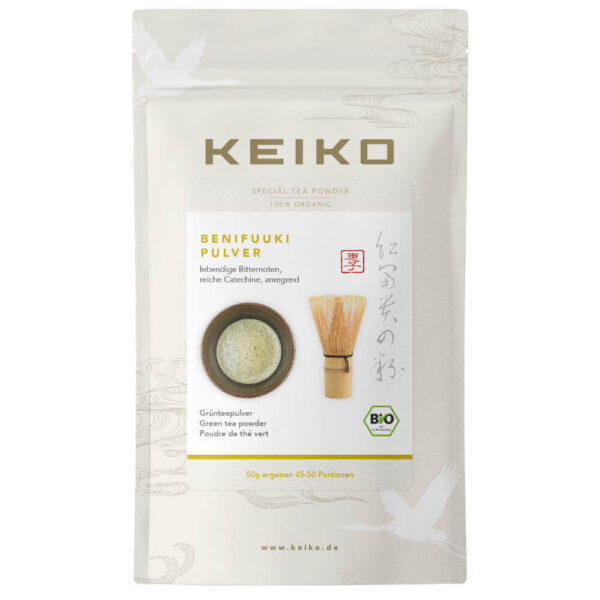
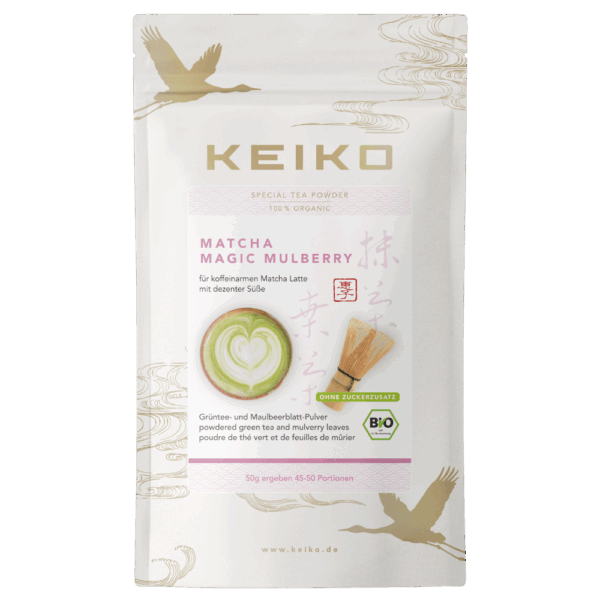
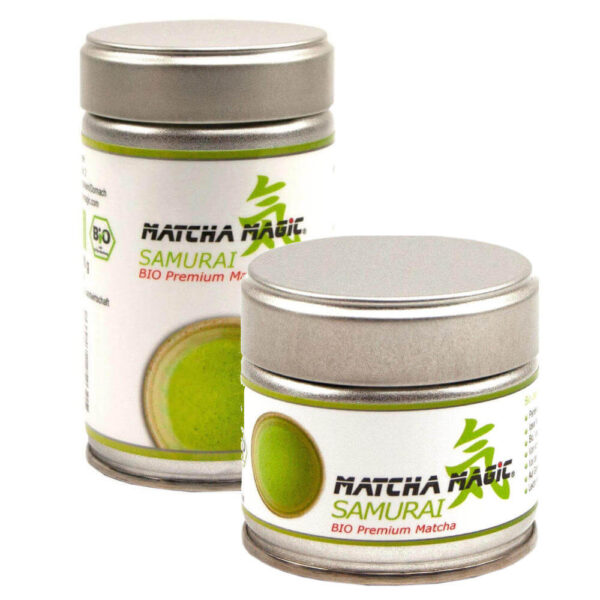
The Culinary Artist features a selection of matcha varieties that we recommend for cooking, baking, smoothies, desserts, and creative recipes. These matchas add color, character, and a distinct green tea flavor to doughs, creams, bowls, ice cream, and beverages. They have a stronger flavor than delicate drinking-grade matcha and are therefore particularly well-suited for combining with other ingredients. You’ll find inspiration, dosage tips, and more background information on culinary uses below each product.
The Culinary Artist is our curated selection of matcha designed to shine in the kitchen. These varieties are bold enough to hold their own in batters, creams, smoothies, bowls, ice cream, sauces, and dressings without coming across as harsh or out of place.
This isn’t about matcha meant to be sipped pure in quiet delicacy. This is about color, character, and creative freedom. A good culinary matcha brings vibrant green, a distinct green tea aroma, and a subtle, tangy depth to your recipes.
Matcha for Creative Cooking
Matcha is finely ground green tea, making it exceptionally versatile. Unlike a spice, it doesn’t dissolve completely but blends as a fine powder with liquids, doughs, creams, and fillings. This way, it adds flavor, color, and its own unique texture to your creations.
The varieties available at The Culinary Artist are selected to hold their own alongside other ingredients. Butter, vegetable oil, milk, plant-based milk, yogurt, chocolate, nuts, fruits, or spices can mask delicate tea flavors. That’s why matcha for cooking needs a bit more intensity than a very delicate drinking matcha.
Why Culinary Matcha Doesn’t Have to Be Inferior
The term “culinary grade” is often misunderstood. For us, it doesn’t simply mean lower quality, but rather a different purpose. A matcha intended for cooking can be stronger, more astringent, and more intense. It is precisely these characteristics that make it so valuable in recipes.
While particularly delicate varieties for pure enjoyment often come across as mild and subtle, a culinary matcha needs presence. It should remain noticeable in dough, add a fresh touch to smoothies, and not get lost in desserts. Its strength lies not in subtlety, but in boldness.
Baking with Matcha
When baking, matcha adds a delicately tart green tea note and a vibrant color to cakes, cookies, muffins, sponge cakes, brownies, pancakes, or yeast dough. It pairs especially well with white chocolate, vanilla, almonds, coconut, lemon, sesame, or berries.
Since heat can alter the color and aroma, careful measurement is key. It’s best to start with a moderate amount and adjust as you go. For many recipes, even a small spoonful is enough to significantly change the aroma, color, and flavor.
Cooking with Matcha
Matcha can also work surprisingly well in savory recipes. It pairs well with creamy sauces, dressings, pasta dough, rice dishes, soups, marinades, and dips. It harmonizes particularly well with mild, creamy, or slightly sweet ingredients.
Add matcha to warm dishes as late as possible, and stir it into a small amount of liquid until smooth beforehand. This keeps the aroma more distinct and ensures the powder distributes more evenly. A small step, a big difference. Cooking calls for attention.
Matcha for Smoothies and Bowls
In fruit and vegetable smoothies, matcha adds a fresh green flavor and a beautiful color. It pairs especially well with banana, mango, pineapple, apple, spinach, kale, cucumber, avocado, yogurt, oat milk, or coconut milk.
For smoothies, you should first stir the matcha with a little water or plant-based milk until smooth. After that, it’s easier to blend with fruit, vegetables, and ice. This prevents lumps from forming, and the green color distributes evenly.
For desserts, ice cream, and cold treats
Matcha pairs perfectly with creamy textures. In ice cream, panna cotta, mousse, quark cream, tiramisu, chia pudding, or yogurt desserts, it adds a subtle, slightly bitter note that helps balance the sweetness. Especially when combined with milk, cream, or plant-based alternatives, its flavor comes across as well-rounded and approachable.
Cold beverages, iced tea, lemonades, or shakes also benefit from a stronger matcha. Here, too, it’s important to stir until smooth before continuing to prepare the dish. That’s the simple rule that makes almost everything easier.
A quick peek into the beauty kitchen
Some varieties in this category are also suitable for homemade face masks, scrubs, or bath additives.
If you want to use matcha topically, make sure to handle it hygienically, use fresh ingredients, and check for personal skin compatibility. If you have sensitive skin, it’s a good idea to do a quick patch test.
How to Measure Matcha in Recipes
Smoothies Start with half to one teaspoon per glass.
Cakes and Pastries Use about one to two teaspoons per small batch of dough and adjust the intensity to taste.
Creams and Desserts First, stir the matcha with a small amount of liquid until smooth before folding it in.
Sauces and Dressings Start sparingly so that the subtle bitterness complements the dish rather than overpowering it.
Ice Cream and Cold Beverages Sift the powder beforehand if you want a particularly smooth texture.
How to Recognize Good Matcha for Cooking
Color A vibrant green ensures beautiful baked goods, smoothies, and desserts.
Aroma The flavor should have a distinct green tea character, not dull or straw-like.
Presence The matcha remains recognizable even when combined with other ingredients.
Fineness A well-ground powder is easier to incorporate.
Balance A subtle astringency is welcome; unpleasant bitterness is not.
Who The Culinary Artist Is For
This category is for you if you want to do more than just drink matcha—you want to use it creatively. It’s ideal for anyone who bakes, cooks, blends, experiments, and wants to add new green accents to their kitchen.
If you prefer to enjoy matcha straight with water, we recommend our selection for pure enjoyment.
If you mainly make matcha lattes, you’ll find more suitable varieties in our Latte category. The Culinary Artist is designed for anything that’s stirred, baked, blended, frozen, or lovingly experimented with.
Frequently Asked Questions About The Culinary Artist
What does The Culinary Artist mean?
The Culinary Artist is our selection of matcha varieties that we recommend for cooking, baking, smoothies, desserts, ice cream, sauces, and creative recipes.
Can I also drink these matcha varieties on their own?
It’s possible, but not always ideal. These varieties are stronger and more astringent than delicate drinking-grade matcha. Their true strength lies primarily in combining them with other ingredients.
Which ingredients pair well with matcha?
Matcha pairs especially well with banana, mango, lemon, white chocolate, vanilla, almond, coconut, sesame, oat milk, yogurt, and creamy desserts.
Why does matcha sometimes turn brown when baking?
Heat, long baking times, and a very delicate matcha can cause the color to change. Use a suitable variety, measure carefully, and, if necessary, combine matcha with light-colored batters or creams.
Can I use matcha in smoothies?
Yes, matcha works very well in fruit and vegetable smoothies. First, stir the powder with a little water or plant-based milk until smooth, then blend it with the remaining ingredients.
Is The Culinary Artist also suitable for cosmetics?
These varieties can also be used for homemade masks or scrubs.
Discover The Culinary Artist and find your matcha for baking, smoothies, desserts, and green culinary moments with character.