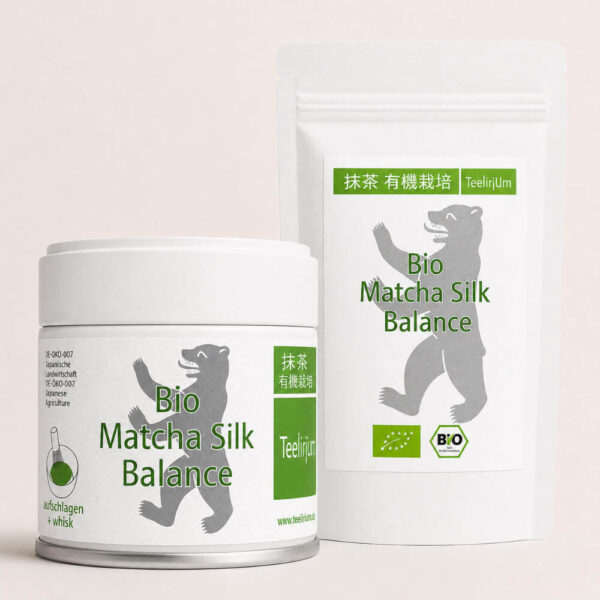
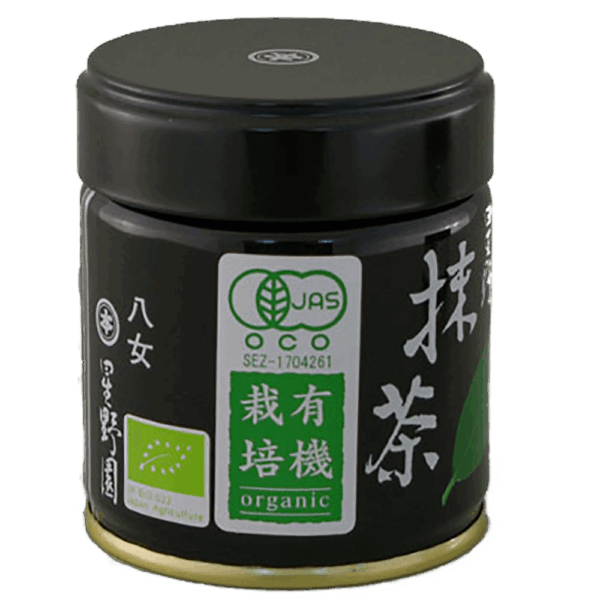
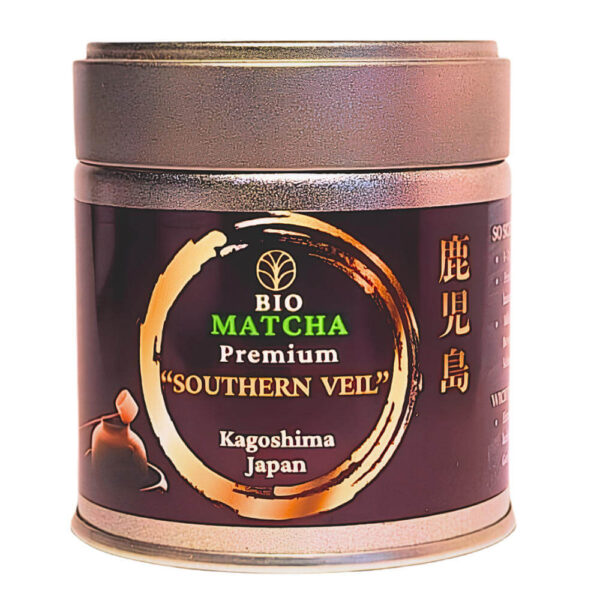
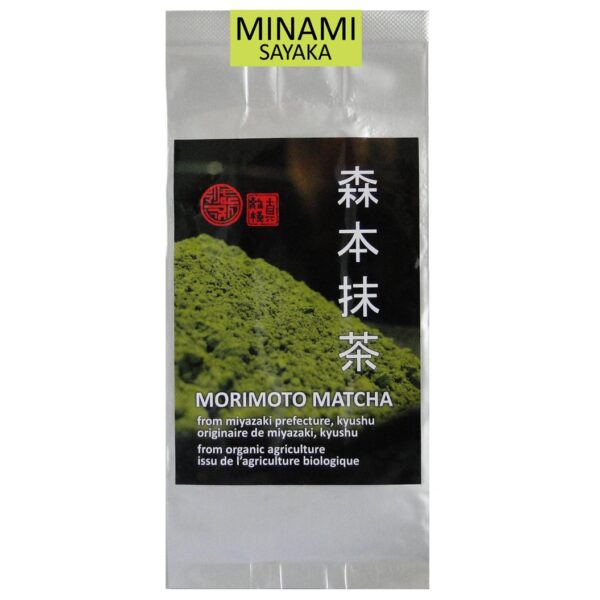
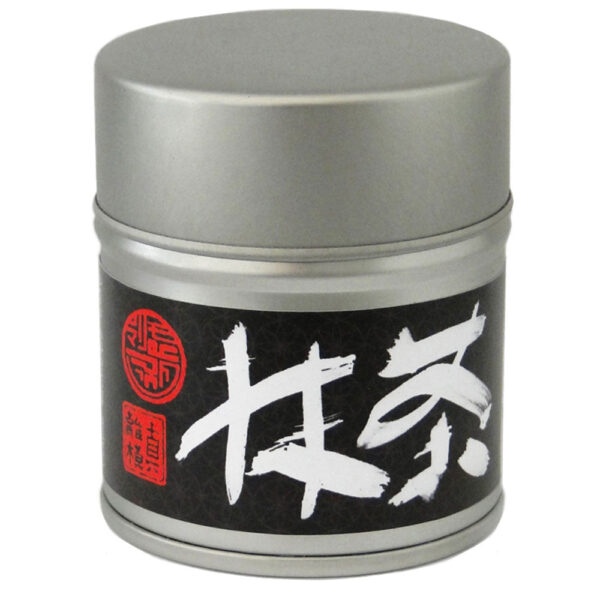
“Matcha for Beginners” brings together varieties that we specifically recommend for your first cups of pure matcha with water. They’re mild, well-balanced—not too astringent and not too mild—so you can get to know matcha without being immediately overwhelmed by bitterness or excessive complexity. From each producer, we select a variety that’s more forgiving of minor beginner mistakes in measurement, water temperature, or chasen technique. These varieties are less suited for matcha lattes, as their strength lies in being enjoyed on its own. You’ll find more about the idea behind this selection, simple preparation, and helpful tips for getting started below the products.
Matcha is a special tea. Green, delicate, aromatic, and sometimes a bit of a mystery at first. That’s exactly why we’ve put together this category: Here you’ll find matcha varieties that make it easy to get started while still showing you just how good pure Japanese matcha can taste.
From each of our producers, we recommend a variety that’s particularly well-suited for newcomers. These matchas are gentle, balanced, and approachable. They’re not too astringent, not too mild, and not so complex that your first bowl feels like a tea seminar. Beginner-friendly, but by no means ordinary.
Your first matcha should be a joy
Many people approach matcha for the first time with a sense of awe. How much powder should I use? How hot can the water be? Does the foam have to be perfect? And what if my chasen doesn’t dance quite so elegantly yet?
Our beginner matchas are designed precisely for these first steps. They’re more forgiving of minor preparation mistakes than very fine, top-quality varieties. Even if the water is a bit warmer or the foam is still a bit timid on your first try, they’ll still taste harmonious.
This way, you can slowly get used to matcha without starting right away with very intense, very bitter, or very expensive varieties.
What Makes a Good Beginner’s Matcha
Above all, a good matcha for beginners is well-balanced. It should have enough umami and sweetness to taste pleasant on its own, but not be so delicate that every minor variation in preparation is immediately noticeable.
The varieties in this category feature a clear, green flavor profile with mild astringency, pleasant freshness, and a smooth mouthfeel. They give you an authentic impression of what matcha is: not a sweet beverage powder, but finely ground green tea with character.
Mild enough for your first bowl drunk straight.
Expressive enough for a true matcha experience.
Robust enough for your first attempts with water, measurement, and the chasen.
High-quality enough to discover the subtle nuances of matcha.
Designed for pure enjoyment
All varieties in this category are selected for classic preparation with water. They are therefore particularly well-suited for pure enjoyment in a bowl. That’s exactly where you’ll get to know matcha best: its color, its aroma, its foam, its sweetness, its subtle bitterness, and its aftertaste.
For matcha lattes, we recommend stronger varieties that hold their own more distinctly in milk or plant-based milk. While beginner-level matcha can occasionally be used in a latte, its true strength lies in being enjoyed pure in a bowl.
Why we recommend one variety per producer
Every producer has their own unique character. Some matchas taste rounded and nutty, others fresh and green, and still others sweet, creamy, or slightly floral. For beginners, this variety can quickly feel overwhelming.
That’s why we curate one variety per producer that’s particularly approachable. This way, you can get to know different regional styles without having to work your way through the entire lineup.
It’s a gentle introduction to the world of our producers and, at the same time, a great way to discover your personal preferences.
How to Prepare Your First Matcha
Start with about one gram of matcha. That’s roughly half a teaspoon. Sift the powder through a fine sieve if you want a particularly smooth texture.
First, add just a little warm water and stir the matcha into a smooth paste. Then add about seventy to eighty milliliters of water. The water should be warm, but not boiling. To start with, about seventy to eighty degrees is a good guideline.
Whisk the matcha with the chasen using quick, light strokes. The foam doesn’t have to be perfect the first time. Matcha isn’t a test. It’s more of an invitation.
Small mistakes are allowed
Especially when you’re just starting out, matcha should be uncomplicated. Maybe you’ll use a little too much powder. Maybe the water will be a little too hot. Maybe a small lump will remain. That happens, and it’s almost part of the charm.
The varieties in this category have been deliberately chosen to accommodate such moments with ease. With a little practice, you’ll quickly notice how the flavor, foam, and texture change when you adjust the temperature, amount, or whisking technique.
How to Identify Your Preference
When you’re trying your first few bowls, pay attention not only to whether you like a matcha, but also why. Does it taste more fresh or creamy? Do you sense more sweetness or more bitterness? Do you prefer a smooth mouthfeel or a slightly clearer, greener texture?
With every bowl, your taste becomes more refined. Maybe you’ll eventually be drawn to particularly deep Purism varieties. Maybe you’ll discover your favorite producer. Or maybe your beginner’s variety will simply become your daily companion. That, too, is a wonderful development.
What You Need to Get Started
You don’t need much. A good matcha, hot water, and a chasen are enough to get started. A matcha bowl is nice and practical, but a wide, shallow bowl from your kitchen will work just as well.
A fine strainer is also helpful because it reduces clumps and makes the texture silkier. A thermometer can be useful, but it’s not a must. If you don’t have a thermometer, let boiled water cool briefly before using it.
Who This Category Is For
Matcha for Beginners is for you if you want to get to know matcha on its own and are looking for a safe first choice. This category is ideal if you’re mostly familiar with coffee, green tea, or matcha lattes and now want to know what matcha tastes like with just water.
It’s also a good fit if you’re sensitive to very astringent teas or aren’t sure which variety to try first. We’ll take some of the decision-making off your hands so you can focus on what matters most: your first great bowl of matcha.
Frequently Asked Questions About Matcha for Beginners
Which Variety Is Right for Beginners
A good beginner’s variety is mild, well-balanced, and not too astringent. It should taste pleasant when brewed with just water and be forgiving of minor preparation mistakes. You’ll find exactly these types of varieties in this category.
Can I use these matchas for matcha lattes?
It’s possible, but this category is primarily intended for drinking matcha on its own.
For matcha lattes, we recommend stronger varieties whose flavor remains more pronounced in milk or plant-based milk.
How much matcha should I use when I’m just starting out?
Start with about one gram of matcha per seventy to eighty milliliters of water. If you prefer a stronger flavor, you can slowly increase the amount later.
Why does my matcha taste bitter?
This is often due to water that’s too hot, too much powder, or a variety that’s on the stronger side. Use warm, not boiling, water and start with a slightly smaller amount.
Do I absolutely need a chasen?
For the classic preparation, the chasen is the best choice because it blends the powder and water smoothly and creates foam. But for starters, a simple introduction is enough: The important thing is to get started and develop a feel for the preparation over time.
Is matcha for beginners of lower quality?
No. “Beginner-friendly” doesn’t mean inferior. It means that the variety is particularly accessible, harmonious, and easy to prepare.
Discover matcha for beginners and find your first variety for pure enjoyment, gentle flavors, and an easy introduction to the world of Japanese green tea.