

Hayashi Family
The Hayashi family’s matcha is produced in Kirishima, at the foot of the Kirishima Mountains, where tea cultivation has been passed down through five generations. Their matcha combines organic quality, scientific precision, and a keen sense for varieties, harvesting, and processing. The result is matcha with a clear green color, gentle depth, and vibrant freshness. If you’d like to learn more about Kirishima, Shutaro Hayashi’s work, and the differences between the varieties, read on below the products.
-

Matcha Miumori, organic
Base price: 1.096,67 € – 898,00 € / 1000 g
32,90 € – 44,90 € inkl. MwSt.Variante wählen This product has multiple variants. The options may be chosen on the product pageplus shipping costs
Delivery time: 2-4 days
-
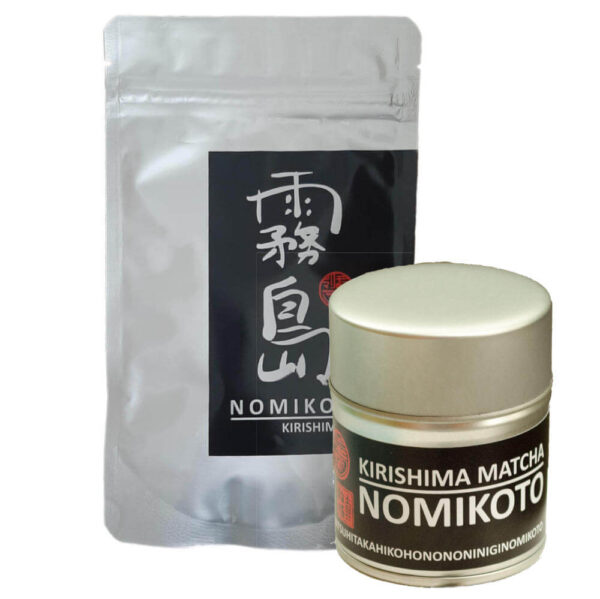
Matcha Nomikoto, organic
Base price: 1.000,00 € – 578,00 € / 1000 g
20,00 € – 289,00 € inkl. MwSt.Variante wählen This product has multiple variants. The options may be chosen on the product pageplus shipping costs
Delivery time: 2-4 days
Organic Matcha from the Hayashi Family in Kirishima
At the foot of the Kirishima Mountains, in the south of the Japanese island of Kyushu, the Hayashi family has been cultivating tea for five generations. The tea garden dates back to 1897 and is situated on a plateau, surrounded by forest, fresh mountain air, and a climate that gives the tea plants tranquility, vitality, and delicate aromas.
At Matchashop, you’ll find select matcha varieties from Shutaro Hayashi and his family. They combine Japanese tea expertise, organic farming, and precise processing to create matcha with a clear color, delicate sweetness, and complex umami.
Kirishima as the Place of Origin
Kirishima is a region where nature and tea culture are particularly closely intertwined. The Hayashi family’s tea gardens are located on several small plots situated close to one another. At the center is the family’s own processing facility.
These short distances are a subtle advantage in terms of quality. The freshly harvested leaves can be steamed and further processed without long transport times. This preserves the green, clear character of the teas before oxidation can alter the aroma.
Organic Farming with a Family History
Today, the Hayashi family operates strictly according to organic principles. Osamu Hayashi, Shutaro’s father, began transitioning the farm to pesticide-free cultivation in the early 1990s. Out of concern for the health of the people working with the plants and out of respect for the soil, the family chose a different path.
For Shutaro Hayashi, organic farming is therefore not an afterthought in terms of quality, but a way of life. He grew up with this approach and continues it today with scientific curiosity, artisanal precision, and a keen intuition for the plants.
Shutaro Hayashi and the Precision of the Fifth Generation
Shutaro Hayashi studied agriculture with a focus on tea science. He combines this knowledge with the experience of his family, which has been growing tea for more than a century. His father, Osamu, continues to serve as an advisor, while Shutaro, his brother Kenji, and his sister Momoko jointly shape the business today.
Kenji provides particular support during the intensive harvest periods. Momoko handles, among other things, organic certification and shipments to Europe. Shutaro focuses on cultivation and processing. During steaming, rolling, drying, and temperature control, he continually adapts each step to the specific characteristics of the tea leaves. The result is tea that doesn’t taste like it was produced by routine, but rather like it was crafted with care.
Why Hayashi Matcha Has Such a Multifaceted Flavor
A special treasure of the tea garden is the diversity of tea bush varieties. The Hayashi family cultivates, among others, Asatsuyu, Yabukita, Kanaya Midori, Oku Midori, and old Zairai plants. Each variety brings its own unique character to the cup.
- Asatsuyu is rare in organic cultivation because the plant is delicate. It is known for its natural sweetness, elegance, and a bright green cup.
- Kanaya Midori offers a clear, intensely green character and is wonderfully suited for matcha that is a delight both on its own and in beverages.
- Oku Midori is characterized by delicate sweetness, pronounced umami, a smooth texture, and a particularly harmonious overall profile.
This variety makes Hayashi matchas ideal for anyone who wants to not only drink matcha but also understand it. No technical jargon, we promise.
Hayashi Matchas at Matchashop
The matchas in this category showcase different facets of the Kirishima tea garden. Some are elegant and deep, others fruity, fresh, or particularly versatile in preparation.
- Kirishima Matcha Nomikoto is made from high-quality, shaded leaves from the first harvest. It features a delicate fruitiness, clear umami, and a vibrant green color. It’s especially lovely when whisked the traditional way with a chasen.
- Miumori Kirishima Matcha is made from Oku Midori and has a soft, full-bodied, and elegant character. Its sweetness, umami, and smooth texture make it an excellent choice for pure enjoyment and for a sophisticated daily matcha ritual.
For your daily ritual
Matcha is powdered green tea. You don’t just pour water over it—you drink the finely ground leaves in their entirety. This creates a particularly intense tea experience that brings together color, aroma, texture, and flavor in a single bowl.
Matcha naturally contains caffeine and L-theanine. Many people describe the effect as an alert calm or gentle clarity. Ultimately, it comes down to your personal experience: If you’re sensitive to caffeine, it’s best to enjoy matcha in the morning or early afternoon.
The Hayashi family’s matcha is perfect for peaceful mornings, mindful breaks from work, creative recipes, and moments when you treat yourself to something special. Not loud, not complicated—just green.
How to Prepare Hayashi Matcha
For a classic bowl, add about one gram of matcha to a matcha bowl. Sift the powder through a fine sieve beforehand if you want a particularly silky texture. First, mix the matcha with a little warm water to form a smooth paste.
Then add about seventy milliliters of water at a temperature of approximately seventy to eighty degrees and whisk the matcha with the chasen until frothy. For particularly delicate varieties, you can use slightly cooler water to bring out the sweetness and umami even more gently.
For a matcha latte, first stir the matcha with a little water until smooth, then add warm milk or a plant-based milk. For cold matcha, you can also use a shaker. Shake briefly, enjoy, and keep it green.
Frequently Asked Questions About Hayashi Matcha
Which Hayashi Variety Is Right for Me?
For pure matcha enjoyment, Nomikoto and Miumori Kirishima Matcha are particularly exquisite.
What makes Kirishima matcha special?
Kirishima combines mineral-rich soils, fresh mountain air, and significant temperature differences between day and night. Combined with organic farming, a short supply chain, and careful shading, this results in matchas with a clear green color, subtle sweetness, and vibrant freshness.
Is Hayashi Matcha organic?
Yes, the Hayashi Matchas available at Matchashop are organically grown. The Hayashi family has been working according to organic principles for many years and places great emphasis on soil care, natural plant vitality, and transparent processing.
Can I also use Hayashi Matcha for matcha lattes?
Yes. Nomikoto Matcha, in particular, is very well suited for matcha lattes and cold beverages. Finer varieties like Miumori best reveal their depth when enjoyed pure with water.
Why does high-quality matcha taste less bitter?
High-quality matcha is made from young, tender leaves that are shaded before harvest. This allows them to develop more sweetness and umami. Bitterness often results from using water that’s too hot, too much powder, or a variety that’s better suited for lattes and recipes.
Discover organic matcha from the Hayashi family and find your green ritual from Kirishima.